I’m playing Tropical Freeze for the first time and I feel like the controls are BAD? I’m using dpad but it feels so heavy. I’ve always heard that it’s A+ best platformer but it seems sluggish and sloppy after a few levels!
I couldn’t get on with it either. But I’ve never played Donkey Kong Country to compare.
Mario Kart 8 will be 10 years old in May 2024.
2 Likes
I just got Wind Waker in the mail and it’s wild seeing reviews being from 10 years back!!
The fact that there hasn’t been a Mario Kart and yet folks seem to still play a lot of 8 is pretty dang impressive.
Mario Kart could maybe be a good Switch 2 launch game!!
2 Likes
But this game is really from 2002!
Yeah I’ve played the GC one a bunch! And it feels to me like the HD version is a brand new remaster… and it’s ten years old!!!
1 Like
Any recs for non-OEM Pro Controllers?? I’ll go that direction if I gotta but if there i something else that folks like I’d love to try that too!
edit: Another question if anyone knows for sure - do the Wii Classic controllers (plugged into a Wiimote) work 100% as Wii U pro controllers?? I’d be down for that (I dig the Hori Battle Pads that look like Gamecube controllers).
The Wii classic controllers work with all virtual console games I tried and tend to work on most Wii U games as long as the game also has Wii U Pro controller support.
If you want to use 3rd party controller I’d say that it’s worth hacking your Wii U with Aroma if you haven’t already and installing bloopair since it’ll allow you to sync other console controllers you may have such as a switch pro controller, a DS4, or a Dualsense. It works perfectly and uses the built in console pairing menu to sync the controllers.
1 Like
Managed to get some last minute Splatoon in before the servers were shuttered, but strangely enough, ended up spending most of the run-up to server shut-down day playing Devil’s Third.
Always wanted to try it as critics never seemed to give it a fair shake back on release. And indeed, the general consensus was off, probably due to the perception around the game’s troubled development, its appearance in what was a saturated genre previously, and its host platform not quite being up to task.
To my surprise, Devil’s Third is a pretty entertaining game. While not all the set pieces across its nine chapters make the most of its mix of melee combat and shooting, there are enough flashes of brilliance that I didn’t feel like playing it was a waste of time.
The boss fights were another highlight, too, there was always something to look forward to around the corner. It’s a game that gets better over time, new enemy types test your abilities better, you get to learn which weapons are effective in which scenarios and so on.
Score Attack mode is where the single player really shines, though, but with the online servers having been taken offline the competition aspect has been removed.
Based on this overview given by Itagaki for Nintendo Europe the online modes were even more ambitious, would have loved to try it:
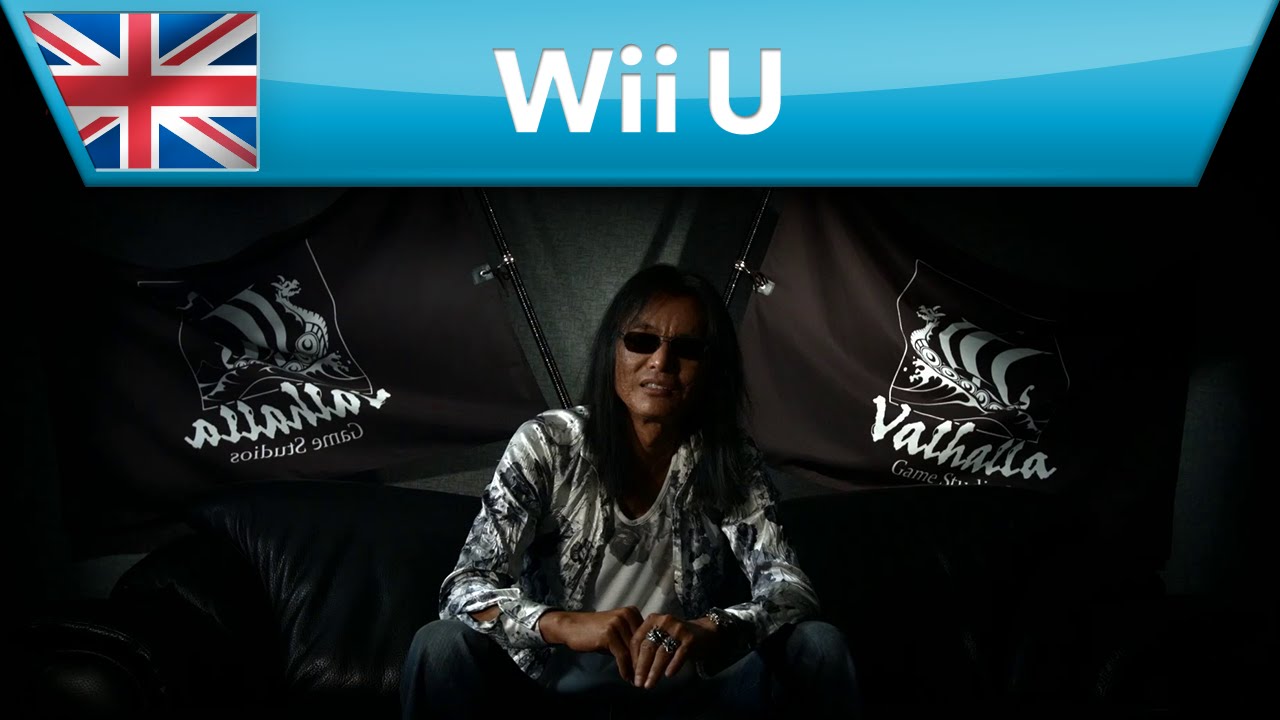
Interviews Itagaki was giving at the time suggest Satoru Iwata was instrumental to Nintendo signing the deal to publish the game, because the online component offered something Nintendo themselves did not. After his passing I wonder if there were many left at Nintendo to champion the game. We know Nintendo of America sent it to die in that region so this is definitely an NCL-driven project out of Japan… It would explain why its online was killed off in 2016, while other games did not suffer the same fate…
I loved Zelda Breath of the Wild when it first came out, but then I got bored of its open-world formula, finding the combat average with its flabby flurry rush. I’d sometimes restart my game to advance in the DLC, but it quickly bored me.
Coming out of a JRPG period, with mostly DQXI (with its parallel genesis, like Zelda 1 and DQ1, funny), I was curious to relaunch BotW from the beginning to see how my appreciation had evolved: I got hooked at the start, which so far isn’t very surprising knowing the formula. After ten hours or so, I noticed a slightly different gameplay dynamic from my previous experience, which was interesting: instead of playing with my reflexes from the classic Zelda 3D formula, I optimized my run a little DQ-style. Although the featherweight difficulty doesn’t encourage me to do so, the result ends nonetheless gratifying, and I can see its appeal in Master Mode. A mode I’d quickly abandoned at the time.
So I start again in Master Mode and I’m off again for 200 hours of the wild on CRT.

One thing I did perceive 6 years ago, albeit incompletely, was the pleasure of constant interaction with the map, its informative landscape, its high-craft topography and all its detailed biosphere. Today, I have a clearer vision of its involvement in the gameplay: it’s an action adventure game, but the resource management branch is the trunk, and its link with all the other gameplay elements has a thick dynamic that seems almost fractal in my mind when I play, dizzying and masterful even in its evolution over the course of the run, even though a large proportion of the resources are present and accessible from the start.
That’s where it’s even more the case in Master Mode than in normal, although it also worked in terms of fun and efficiency in the beginning, but I can’t say whether it would have fallen back after a few dozen hours, as it did for many people, including me in the past: now that it has become useless, you lose even its perception and come face to face with the apparent emptiness left by the neglected elements of the old formula, I’d say.
After a fairly complete 150 hours Master run (full sanctuaries, trial of the sword, five divine beasts, armors at max), I started again, wanting to see if it still worked, and trying to optimize more efficiently, much as I can do on Zelda 1, being aware of a large number of levers present at various points in the game, constantly trying to prioritize my actions by making progression choices that will result in this or that evolution of my abilities in this or that order, with the aim of anticipating what’s required and making my entry into the adventure and my ascent as smooth as possible. And it works.
For me, this Master Mode completely solved the problem of lassitude in normal mode. This impression, which had been firmly anchored in my mind, has now completely disappeared, with a change of perspective on my part, which had confined me too much to certain old habits and expectations to which this game doesn’t directly respond. That doesn’t stop me from seeing a few things I still don’t like about it:
-
The little moans of voices in dialogues with pnjs, although in cutscenes jap voices aren’t too bad.
-
The villages aren’t crazy enough in terms of ambience and mechanics, despite a neat level design that makes good use of the open world. With music that’s generally just okay and a bunch of little quests, pnjs and dialogues that are too often rather flat, most of which you can happily skip once you’ve retained the few quests with interesting rewards.
-
Ganon’s last phase isn’t good, so sad to end on that note.
-
A few shrines, such as the choir of little rito sisters, require a rather lengthy action to make them appear on the surface. But on the whole, you can chain them together at a hellish pace. Take away their loading times in a remaster and I’m in.
The combat system, which I’d grown weary of in relation to my more arcade-oriented, classic Zelda 3D sword-based expectations, actually works really well. So it goes through a lot of menus, freezing the action, but I find that at this pace it remains balanced, whereas its sequel looks heavy (on many points for me). A successful take on modern action-rpg. One thing I hadn’t quite grasped was that, in general, you have to constantly optimize everything by consuming resources, like all the time. But only when the specific need arises, and the balance achieved around this mechanic is a hell of a job in this full open-world context.
Weapons are also part of these resources: on my latest run, which is as tight as a bow, I only stop for the quick and easy Korok (even more so than before, when on my very complete run I had less than 200 Korok seeds out of 900, which is quite significant in terms of their function), and I always keep a geologist’s hammer (to the final version of the Goron champion), a strategist’s leaf and Charles Ingalls’ axe (for blowing up crates and toppling a tree onto an Octorok). And yet I never run out of weapons, and I pick up better ones all the time by making the right choices that are essential in this mode. Generally speaking, there’s a synergy, exhilarating once you’ve understood it, whereby consuming the right resources on a regular basis leads to greater abundance, thanks to all the cascading consequences behind it. Thanks, too, to the aerial platforms added to Master Mode near bridges, waterfalls and towers, so fun by approaching from above like an air pirate, with the reward of weapons with great stats to have a good start in this mode. The overall rhythm of rewards linked to progression and exploration reminds me of A Link to the Past, and that’s what it did best for me. But here in a space more open to choices, as in the first one.
To take advantage of the combat system in BotW, you have to quickly alternate and combine weapon properties, almost all the time. For example, the classic blizzard rod if you’re facing a large number of enemies, followed by a two-handed weapon spinning charge attack for x3 damage, or an unique electric spear strike to safely disarm an over-equipped enemy, chained on the shocked beast with an appropriate weapon charge. Plus the sheikah slate abilities like remote bombs which can sometimes be used to manage space, freezing an enemy at just the right moment with stasis, all the bow gameplay (at the end of the game, you can napalm an area with bomb arrows x5), the leaf lol, the environment etc., so you can alternate and combine at will.
And the link with the resource side is well designed, as the almost complete set of weapons (the best to select) is indispensable for serene progress, with each weapon coming from characteristic locations and situations (the Gorons’ master hammer for dealing with Pebblits requires a diamond each time it is made, luminous stones being a good exchange currency for a diamond etc.).
This is one of the reasons why this Master Mode makes all this necessary, with its merciless encounters that can even seem unfair if you don’t get it right and if you don’t extract all the juice from the game. And in these “expert” conditions (this should be the standart mode by default), nothing is really left to chance when you’re in the details of the run: witness the diversity of confrontation situations to be solved by applying these rules, for each enemy camp for example, design everywhere in this open world, at many levels, in a well-linked way, hence the somewhat fractal, very successful side of the gameplay.
In combat, there’s also the importance of taking height into account, which is so fun and quite unique, using the careful design of the topography thanks to mechanics like paraglider, climbing or bow bullet-time. The latter alone, Matrixian archery sorcery, leads to a large quiver of interesting boardings, which, as highlighted in the reveal teaser, rocks. Assaults on large guardians are fun once properly equipped, and charging on horseback with an anacient spear or Master sword is a satisfying massacre.
One of the key changes in this Master Mode that makes it work is monster regeneration, which modifies the rhythm of combat and its apprehension, the strategy, making it necessary to apply all these priorities constantly. I find it very well done, as the life bar doesn’t rise again for ~3s while you’re linking up your attacks, and you can always cut off the regeneration with an arrow if the enemy has distanced himself for a moment. In a melee, you need to remember who you’ve started to hit so as not to loose them, and many other things. For this reason alone, I don’t want the normal mode anymore, which looks sluggish by comparison.
In this mode, for example, +3 attack bonuses are needed almost all the time, resulting in an interesting collection order throughout the game from a “venturing into an area” point of view, between the first very discreet Bladed Rhino Beetles in the woods, the bananas of the eastern tropical jungle and the Barbarian Set of the three labyrinths (surprisingly cool to do, solid level design). The game also requires you to adapt all this to different hostile environments with the right combination of armor and cooking bonuses.
As for the flurry rush, I used to pull it out too much, because I was stuck in the old Zelda 3D way of fighting. Now I use it very rarely, just to quickly break an opportune random weapon or quickly finish off an opponent if I need to face another danger.
The parry is really cool, whether it’s against lasers with the distance to take into account (in Master Mode, guardians can feint and delay their shots, very good. By the way, the safety feature that prevented you from getting one-shot when your life bar is full has been removed), or against lynels with less environment/effects-oriented combat but more parry (parry > stunning bow headshot > charged sword strike > climb on the lynel’s back and punish him without using up his sword > take advantage of the exit jump for a bow bullet time and headshot him several times in the back of the head, classy). Or sometimes, when facing a single enemy, this can give you the time to place a charged sword strike = more damage without using your weapon further. I like the fact that after a parry, you have to keep on playing and creating, rather than having direct access to a simple punishment.
Then there’s the organic side of encounter interaction, thanks in part to the emergent, rich and creative nature of the physical/chemical model, which comes embedded in the mechanics of the game with a more real involvement in this difficulty mode.
By the way, the difficulty lies more in the battles of the exploration phase, constantly in this mode, than in the divine creatures, and that’s just as well, because the sinews of this formula are in the right place. The four mechas (five in Master Mode, which includes DLC) are short episodes in themselves, interludes around which the game is built. They can be completed early in the adventure, for quick access to the rewards that come in handy for nourishing warrior exploration. The bosses, although still not really difficult even in this mode, are nevertheless more interesting thanks to regeneration, and you can’t let go of them either, which sometimes changes quite a few things in the management of their patterns.
I find the Divine Beasts a little underestimated overall, I like the interactive side of the mecha, their intoxicating music, and it’s still super rhythmic and original to play. It’s not a dungeon, but it’s not the same game either. In the end, TotK seems to have lost some personality with their hybrid stuff.
In general, I like all the work on the ancient technology of the sheikahs, from the art to the gameplay. Here too, with TotK, I feel we’ve crossed a rather crazy line with the powers.
And I’m still enjoying the feel of the animations, still unrivalled in my eyes in this genre, true action video games, with no wobble and yet detailed animation.
The expertly designed Trial of the Sword is particularly enjoyable. It’s all very tense, and you have to accept that you’ll have to start from the beginning of each long phase (3) a few times. The replay value is there for all to enjoy. The reward is more satisfying than it seems, since not only is the Master Sword permanently at 60, but it also lasts much longer, with its luminescence and lightsaber-slaying sounds. It’s a good final form, delivering a sense of purification against filthy monsters.
The 120 shrines are rewarded with the BotW version of Link’s classic, magnificent outfit.

Upgraded, it’s the most resistant, so interesting to wear, and the consequent hunt for materials to upgrade it is quite fun, with the three dragons to track down to find the right robbing spot. An example of how needs evolve over the course of the adventure, with our ability to interact and our power.
120 sanctuaries may seem like a lot, but it’s all well and good, thanks to the diversity of their discovery on the map, the specific rewards of some of them (climbing set, for example), the rapid pace of execution once you know them, and of course the related increase in power (team full endurance first).
The other trials and shrines in the DLC are very good, except for the fact that they fit into the rest of the adventure a little superficially, with a sequence that’s a little more linear and flat than the rest of the game, which is a shame. The last Divine Beast is well worth the effort, with its turn-based mechanics and cool original boss. As for the reward, Link as a Champion receives his own Divine Beast, which is none other than a sheikah motorcycle. I wondered how it would compare with the horse: the great climbing speed on any slope, excellent. It’s a trial bike, and the steering is well suited to the adventure game aspect, allowing you to climb like crazy, while still requiring you to be well steered. The ultimate tool for finishing exploration. So much classier to use than TotK’s cardboard things.
You have to recharge it with materials, but plot twist, it’s the most common materials that work best: ten apples or bits of random monster and you’re off again (and safe for a while).
Overall, I find the story not bad for this very game-oriented format, and therefore not very cumbersome. The simple, straightforward aspect of Link having to recover his memory in order to become the hero again is extremely effective as a leitmotif from start to finish. On the whole, the memories give Zelda’s mystical power a little extra depth. And it’s a little thicker when you’ve done Skyward Sword and know how the goddess Hylia goes about awakening our heroes’ powers by playing on the dynamics of their relationship.

6 Likes
Xenoblade Chronicles X Definitive Edition got announced today - another game escapes its Wii U exclusivity.
They really did space out porting Wii U content throughout the Switch’s lifecycle. And in the last 3.5 years or so, they still made enough original content on switch for it not to feel like a retread of the last system anymore.
Crazy how much has changed since the Wii U launch. Heck… it had an app called TVii that let you see what was on broadcast television. Most people don’t even watch broadcasts now unless it’s a sport.
Wii U was sort of the last breath of “weird” Nintendo.
On the one hand, everything has changed since November 2012 and it’s almost silly what they were trying to do with the hardware and its wirelessly tethered Gamepad.
On the other hand, it may have been a really interesting platform had it been around during the pandemic with its video chat features and MiiVerse capabilities. The potential for something unique was there but the execution was very miscalculated.
3 Likes
TVii was actually cool when watching live sports. You could try to predict things while the game was going on and if you were right, you’d score points. It tallied them up as the game wore on. I messed with it one weekend while football was on and enjoyed it.
2 Likes
Sounds like a draft kings for kids type thing. I tried it once during a football game but ended up not really digging it, but I barely remember the experience. It would’ve been better if you could stream the game on the system itself.
Agreed - as a hardware concept, absolutely. It’s good the weirdness continued on further on 3DS, if only because it found greater success to justify Nintendo experimenting with games like Rusty’s Deal Deal Baseball, the Badge Arcade, that bomb defusing game I forgot the name of and the post-Switch stuff like Dead Heat Breakers. But Wii U did receive games like Lost Reavers haha.
What I appreciate about Nintendo is their commitment to customers who bought a Wii U. Other companies - even those long operating in the market like Sony Interactive Entertainment - were quick to abandon their failures like the PS Vita, which stopped receiving first party software after 2013/2014.
Nintendo played the long game with Wii U, and I think the enthusiasts that picked one up would have been far more sceptical about picking up a Switch had they not done so.
Late 2016’s Paper Mario: Color Splash felt like a love letter to Wii U owners, and the sort of game where Nintendo couldn’t have considered the ROI when it went into production.
Very true. The console still had enough good games to make good on the hardware investment for customers. And Nintendo got to resell those games for a greater profit again this generation.
Truly a smart investment of resources over the long haul. Although it seems like they won’t have that same luxury for the switch’s successor, there are a ton of GCN, Wii, and 3DS games they can continue to remaster to fill in gaps in scheduling.
There’s a fine line between weird and ingenious… it comes down to execution.
Switch is just as innovative as Wii U conceptually, if not more so. A hybrid console is a genuine paradigm shift in gaming.
Wii U was interesting, as most Nintendo products are on some level, but it was a classic case of an idea in search of a purpose.
Form must follow function! Switch exemplifies this to a tee, but its predecessor did not.
I think Wii U just had to sell significantly more units to justify publishers investing in games that truly take advantage of its unique functionality.
There was the lack of an installed base, of course, but the following factors meant Wii U didn’t bring about the same sorts of new experiences Wii did:
- Publishers choosing to buy rather than build their game engines. Wii U’s non-existent support for Unreal Engine 4, and initially lacking support for Unity, meant many games couldn’t be ported to Wii U while they did receive Vita conversions.
- A move toward multiplatform games development meant it just wasn’t fashionable to make exclusives for quirky hardware, especially when the games are more expensive to make vs Wii.
- 3DS was more successful. Japanese third parties were burned by Wii (Marvelous almost went bankrupt after investing in it) so invested in 3DS instead, which had lower development costs necessary to make exclusive game development more viable
- Wii U’s support for a standard controlset. Conforming with the other HD consoles meant third parties didn’t necessarily have to create games that followed on from Wii’s design philosophy.
Nintendo responded to all of these changes in the market and built a platform that could better accommodate them with Switch.
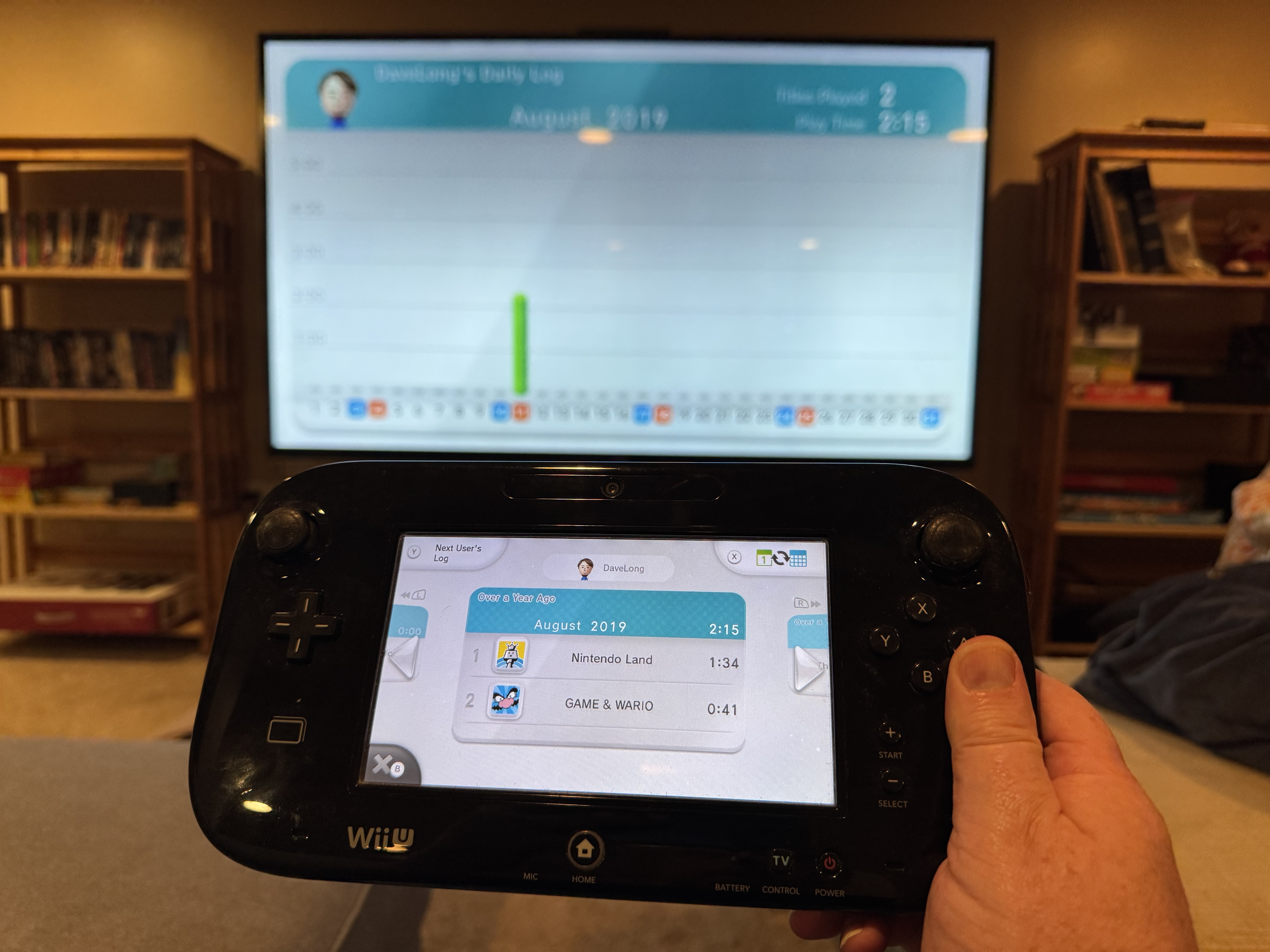

I turned mine on last week to test it and make sure it and the hard drive attached to it still work in my new setup… As for when I last sat down and played anything on it? It’s been quite a while. I did really enjoy it when I played it regularly though! I need to get the Super Mario Maker community thingy up and running on it, I did not enjoy making levels in the sequel on Switch but had a blast with that first game using the stylus to make levels…
1 Like
Oh man…

I played some Gamer too. Brilliant! Game & Wario rules. Still the reason to own a Wii U!
I had so much big damn fun with Wii U tonight. Played some Virtual Console games, both Contra and Castlevania Rebirth, which are seemingly forever locked to that system, and then a good hour or so of Game & Wario, another amazing gem.
My pal suggested Affordable Space Adventures, which I own, but that’s only for three people in this house. Will definitely bust that out in the future!
I sometimes forget just how awesome Nintendo was during the Wii and Wii U era. Everything just yells out FUN! It was great to get back to that tonight.
2 Likes